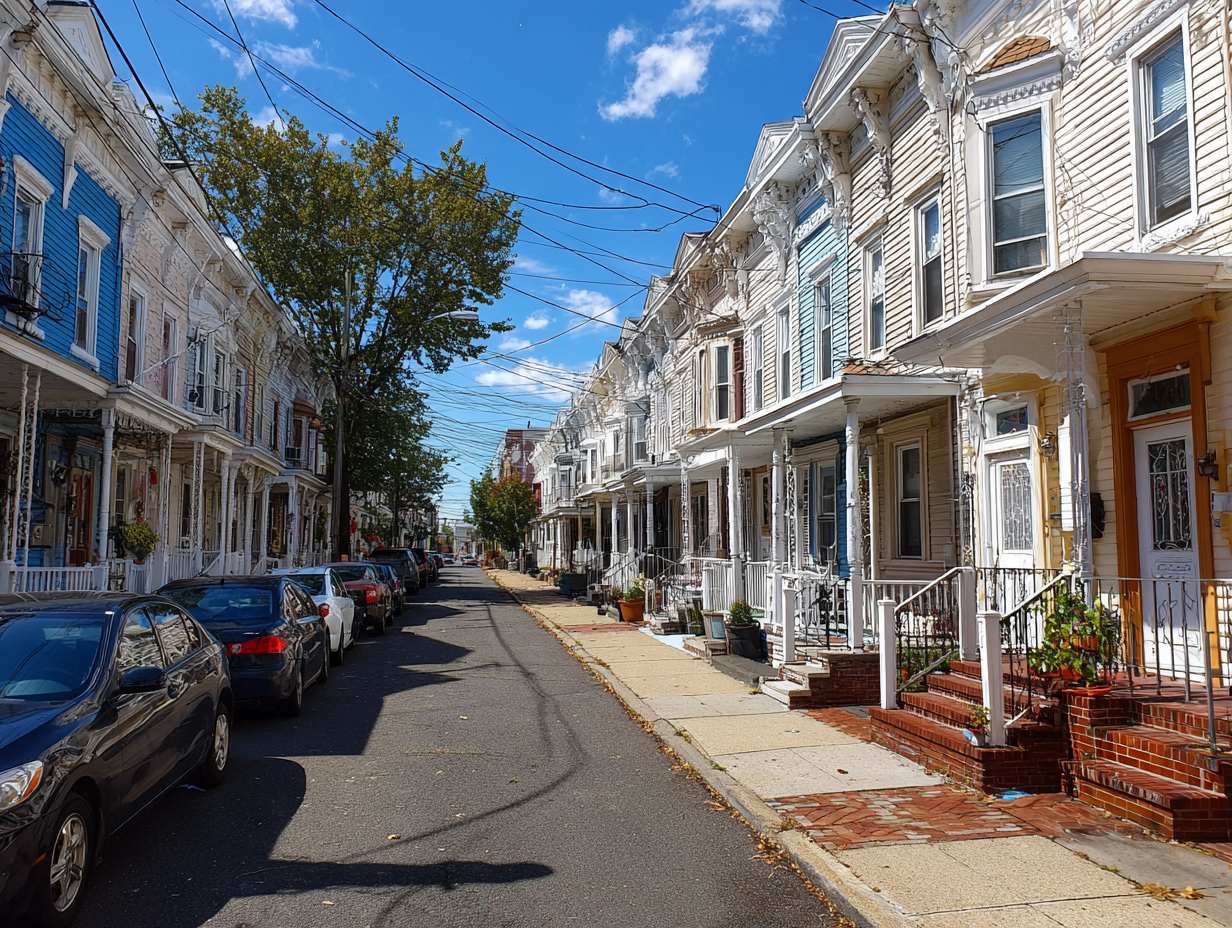
Newark is a city of two- and three-family houses, and many of them belong to owners who live in one unit and rent the others. When the roof needs work, that owner is a homeowner and a landlord at the same time. This guide covers the parts of a roof job that are different when tenants live under the roof: reporting leaks, access, permits, timing and the paperwork that protects everyone.
Leaks Get Reported Second-Hand
The person who sees a roof leak first is usually the top-floor tenant, not the owner. The longer it takes to reach you, the more damage it does. A few habits help:
- tell tenants, in writing, to report any stain, drip or damp spot right away, with a photo
- give them a number or address that you actually check
- note the date they reported it and when you called a roofer
- ask them to move belongings away from the drip and keep clear of any sagging ceiling
Those notes matter if there's an insurance claim or a dispute later.
Access to the Roof
On many two- and three-families the roof is reached through a hatch in the top-floor unit, a stairwell bulkhead or a ladder from the back. Roofers may also need to look inside the top unit to trace a leak. Before the visit:
- tell the tenant when the roofer is coming and why
- make sure the hatch or bulkhead can be opened
- clear a path to it
- ask the roofer whether they need access to a neighbor's roof
Permits: Two-Family vs. Three-Family
New Jersey's rules treat repairing or replacing roof coverings on a detached one- or two-family home as ordinary maintenance, with no construction permit. A three-family house, an attached two-family, deck replacement or structural work generally does need a permit. That affects scheduling, because the permit has to be in place before the work and inspections may follow. Ask the contractor who pulls the permit and whether it's included. Details: roof work and permits in Newark.
Planning roof work on a two- or three-family?
Find out what the roof needs: (973) 528-8938.
Call (973) 528-8938Timing the Work Around Tenants
| Consideration | Why it matters |
|---|---|
| Season | Replacement is easier in dry, mild weather; winter work is possible but slower |
| Notice | Tenants need warning about noise, debris and access days |
| Top-floor impact | Tear-off is loud and can loosen ceiling dust; tenants may want to be out during the day |
| Parking and dumpster | A dumpster may need street or driveway space for a few days |
| Weather windows | Roofers open the roof only when rain isn't expected |
Most roofing contractors schedule replacements so the roof is closed up at the end of each day.
Budget and Records
A replacement is a big expense, and for an owner who rents units it's also a business record. Keep the contract, invoices, permit paperwork, photos before and after, and any manufacturer documents the roofer gives you. They're useful for taxes, for selling the building, for insurance, and for the next roofer, who will want to know what's underneath. Price factors: what goes into a roof replacement price.
Repair Now, Replace Later?
Many owners patch a roof for a few years before replacing it, especially with tenants in place. That can be reasonable if the roofer says the roof has life left and the repairs are local. It stops being reasonable when leaks keep appearing in new places, because every leak damages a tenant's ceiling and belongings. The decision guide: repair or replace.
If You're the Tenant
Roof work is arranged by the building owner. Report the leak to your landlord or property manager in writing, include photos, move your belongings out of the way, and keep clear of any sagging ceiling. Your own renters insurance, if you have it, generally covers your belongings, not the building.
A Simple Owner's Roof File
Keep one folder for the roof: the year of the last replacement and what was installed, contracts and permits, photos from each repair, tenant reports with dates, and any insurance claims. When a roofer asks how old the roof is or what's under it, the answer is in the folder. When you sell, the buyer's inspector will ask the same questions.
Questions
Who pays for ceiling damage in a tenant's unit?
Generally the building owner is responsible for the structure, including the roof and the ceiling. Tenants' belongings are usually covered by their own renters insurance. Leases and policies decide the details.
Do I need my tenant's permission for roof work?
Leases usually allow access for repairs with reasonable notice. Give notice in writing and agree on times, especially if the roofer needs to go through the unit.
Is a three-family roof replacement more complicated?
It usually involves a permit and may involve inspections, so plan a little more lead time. The roofing work itself is similar.
Where These Houses Are
Two- and three-family houses are the core of North Broadway, University Heights, Irvington and Elizabeth. Their roofs: flat roofs.
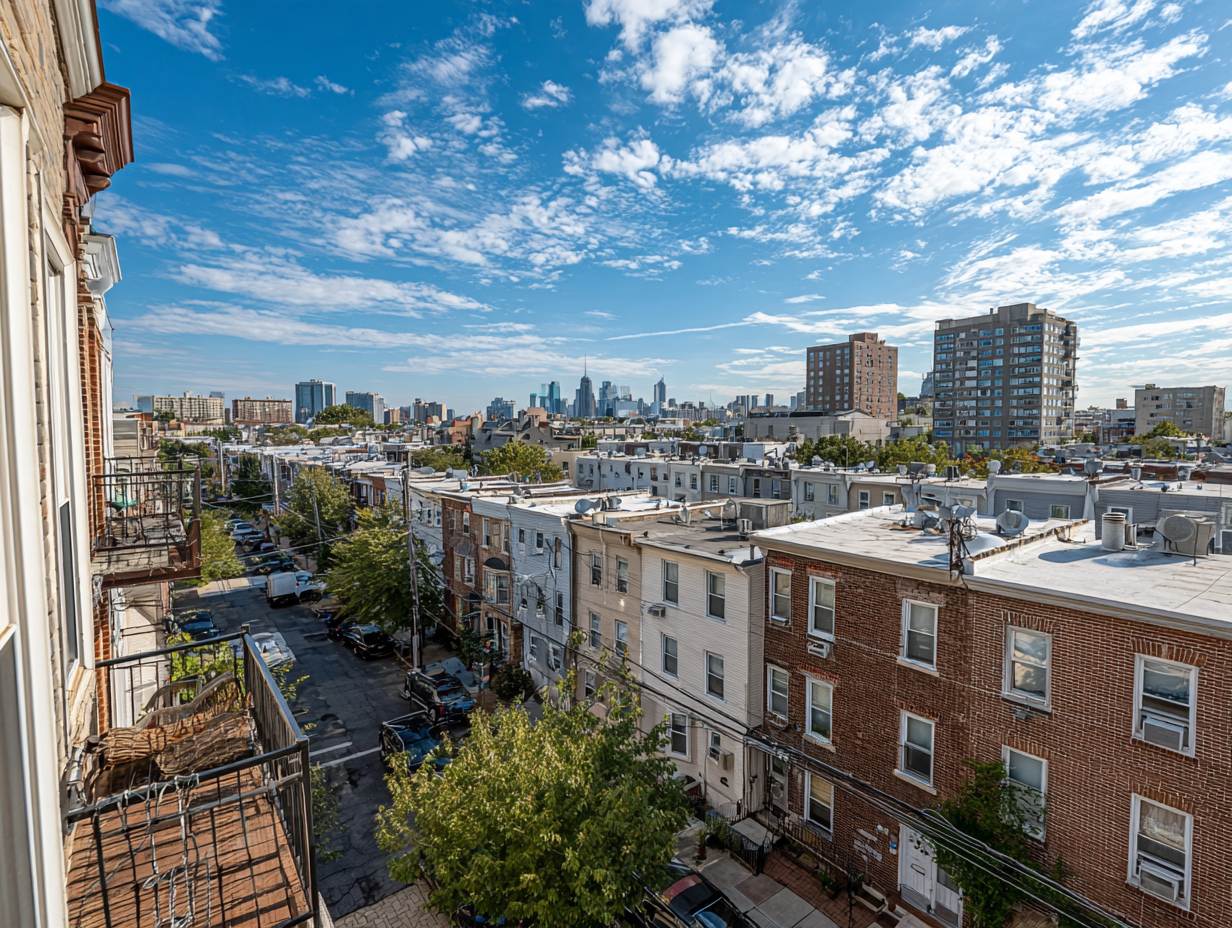
Roof Work and Permits in Newark
When New Jersey's rules require a permit, and when they don't.
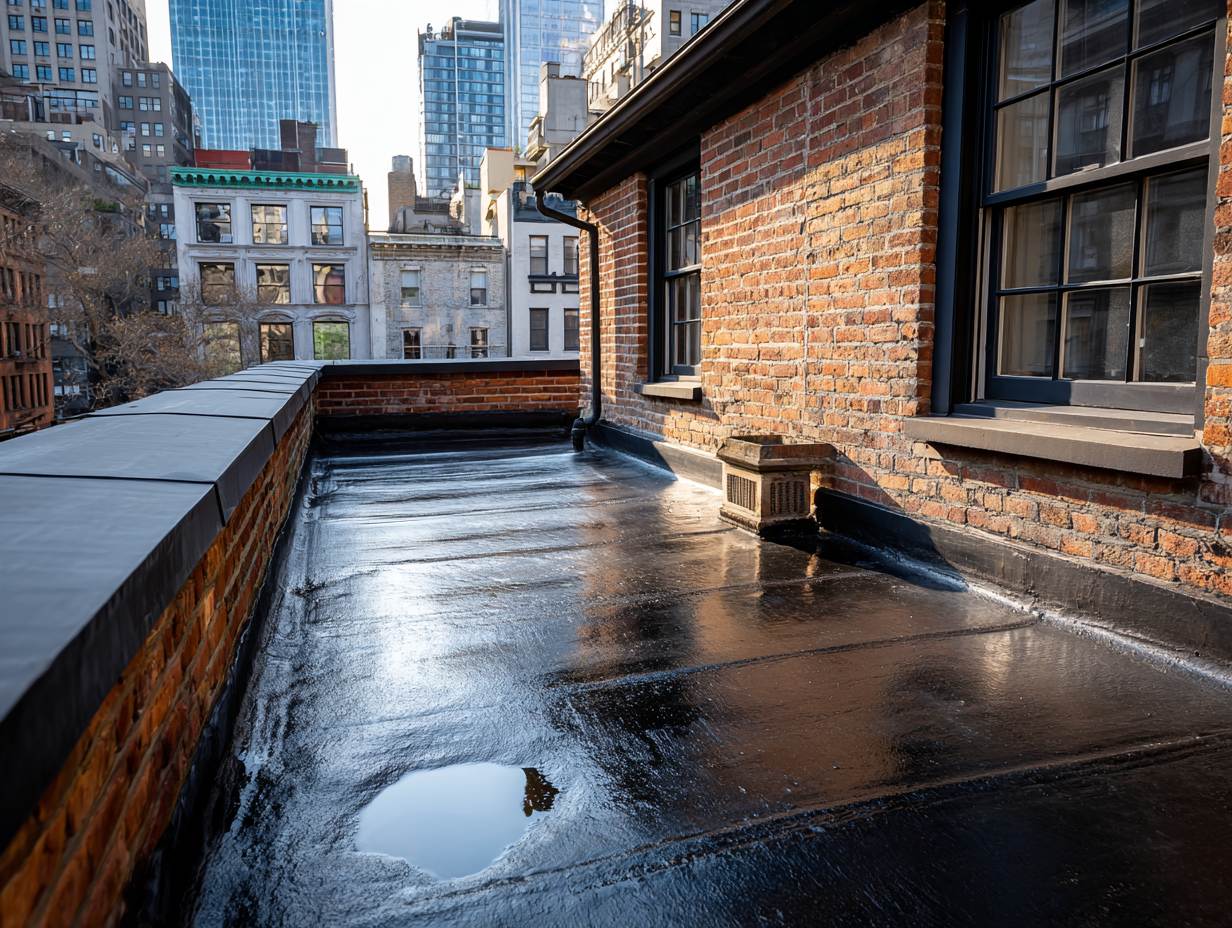
Signs a Flat Roof Is Failing
What to look for from a top-floor window or after a rain.