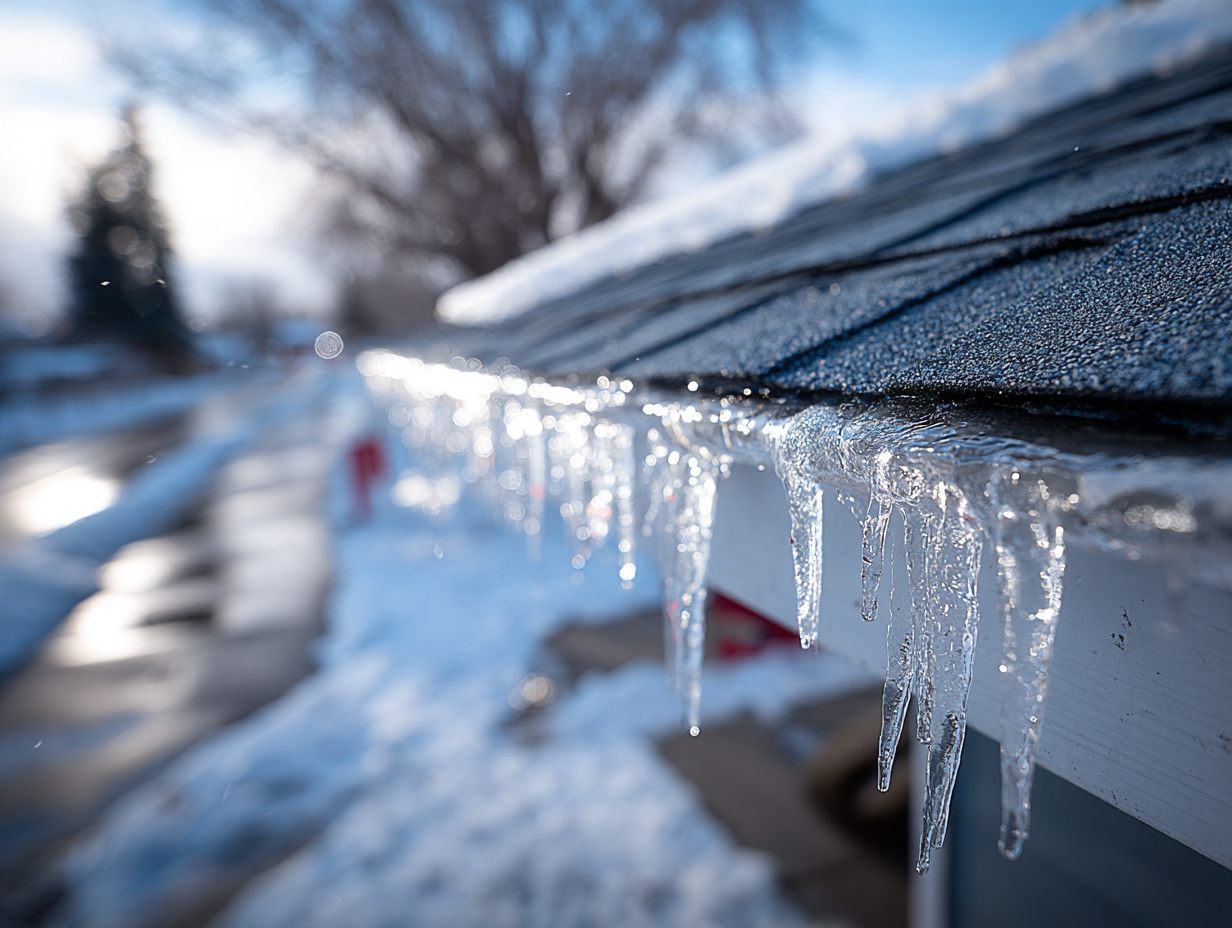
Winter is hard on Newark roofs in ways that don't always show until spring. Nor'easters drive rain and snow sideways for hours. Snow melts on a warm roof and refreezes at the cold edges. Water gets into cracks, freezes, expands and opens them wider. By March, a roof that seemed fine in November can be leaking in three places. This guide explains what's going on and what owners can watch for, from the ground and from inside.
Nor'easters
Nor'easters are strong coastal storms that bring long periods of wind-driven rain or snow from the northeast. For roofs, the wind is the problem as much as the water. Rain is pushed sideways and upward into joints that stay dry in ordinary storms: chimney and wall flashing, parapet caps, the top of a mansard, window heads under the roof edge. Leaks that only appear during a nor'easter are almost always at one of those joints.
Ice Dams
An ice dam forms when heat escaping from the house melts snow on the upper roof, and the meltwater refreezes at the colder eaves. The ridge of ice traps more meltwater behind it, which backs up under shingles and leaks into the top of the outside walls or the ceiling near them.
| Sign | Where |
|---|---|
| Thick ice and icicles along the gutters | Outside, at the eaves |
| Stains at the top of outside walls | Inside, top floor |
| Peeling paint around top-floor windows | Inside, below the eaves |
| Wet insulation along the attic edges | Attic |
Ice dams are usually an attic problem as much as a roof problem: too little insulation and too little ventilation let heat reach the roof deck. The long-term fix is often insulation and ventilation, plus ice-and-water membrane under the first few feet of roofing when the roof is replaced.
Freeze and Thaw
Newark winters swing above and below freezing again and again. Water that gets into a crack in a chimney crown, a mortar joint, a loose flashing or a seam freezes, expands and widens the opening. Each cycle makes it a little worse. That's why chimneys, parapets and old flashing often fail at the end of winter.
Flat Roofs in Winter
Flat roofs carry snow instead of shedding it. When drains and scuppers are blocked by ice or leaves, meltwater has nowhere to go and sits against seams and flashing. Heavy, wet snow adds weight. Keep drains clear in the fall. And don't go on a flat roof to clear snow yourself, since it's slippery and edges are hidden under snow. If a roof is holding an unusual amount of snow, or ceilings are cracking or doors sticking, call a professional.
What You Can Safely Watch For
From the ground and inside:
- ice ridges and heavy icicles along the eaves
- stains at the top of outside walls and around top-floor windows
- shingles or flashing visible in the yard after a storm
- gutters pulling away under ice
- dripping at a chimney or skylight during thaws
Don't chip ice off a roof or go up a ladder in winter conditions.
Before Next Winter
- clear gutters, downspouts, drains and scuppers in the fall (more in gutters and downspouts on attached homes)
- have flashing, chimney crowns and parapet caps checked
- ask about attic insulation and ventilation if ice dams are a pattern
- plan replacements so ice barrier goes in at the eaves and valleys
Chimneys in Winter
Chimneys take more winter abuse than most of the roof. The crown on top cracks in freeze and thaw, mortar joints open, and flashing at the base pulls away as the roof and the masonry move differently with the cold. Wind-driven rain and snow then get in at every gap. If a leak appears near a chimney in late winter, the crown and the counter-flashing are the first places a roofer looks.
Questions
Why did my roof start leaking in spring if the damage was in winter?
Freeze and thaw open cracks gradually, and melting snow and spring rain then find them. The damage often happens over the winter; the leak shows when the water finally gets through.
Should I remove snow from my roof?
Not by climbing on it. If there's a concern about weight or ice dams, have a professional handle it from safe positions.
Can ice dams be prevented?
Often reduced a lot, by keeping heat out of the attic (insulation and air sealing), venting the attic properly and installing ice barrier when the roof is replaced.
Around Newark
Winter leaks are common on older pitched roofs in Nutley and Bloomfield, and on chimneys across Forest Hill. The storm side: leaks & storm damage.
Summer Storms, Wind and Fallen Limbs
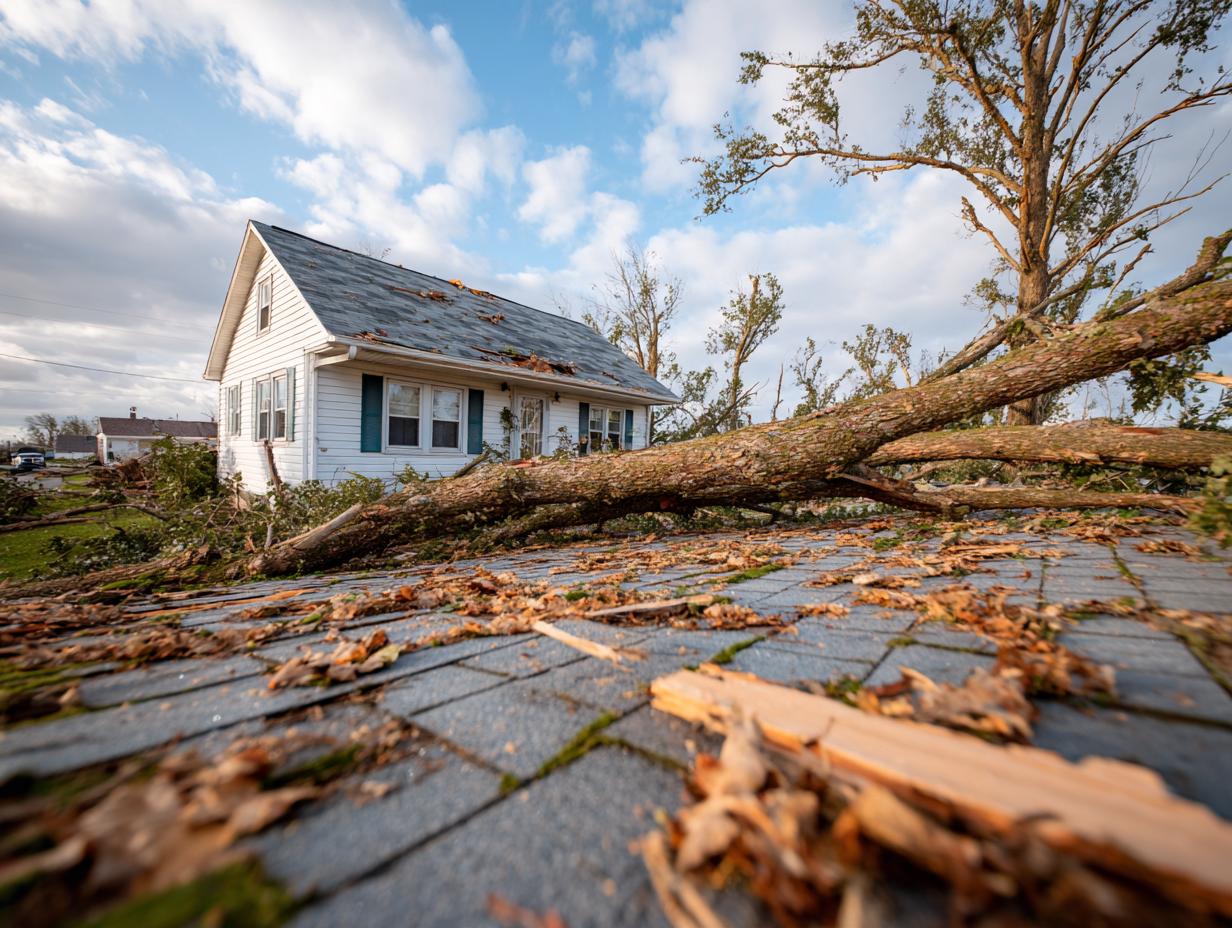
Thunderstorms, wind damage and trees over roofs.
Roof Claims in New Jersey After Wind and Storms
How a storm roof claim usually works, step by step.