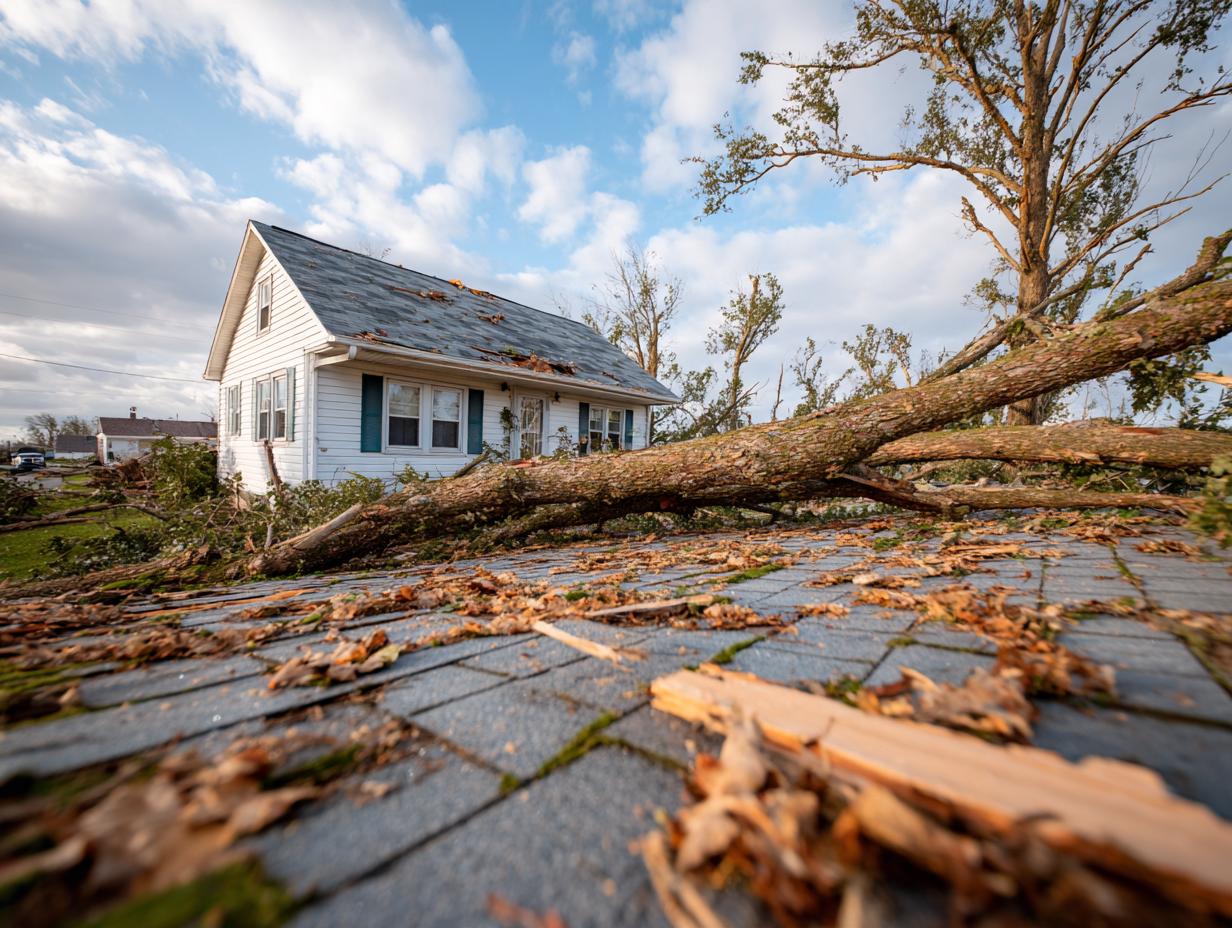
After a storm takes shingles off or drops a limb on the roof, the question that follows the leak is whether insurance will pay. Often it will, for sudden storm damage, and often it won't, for wear and age. This guide walks through how a roof claim usually works for a New Jersey homeowner or small landlord. Every policy is different, and your insurer decides what's covered.
Usually Covered vs. Usually Not
| Situation | Usually |
|---|---|
| Wind tears off shingles or lifts a flat-roof edge | Covered as storm damage, minus the deductible |
| A tree or limb falls on the roof | Covered, including removal from the roof in many policies |
| Hail damages shingles or metal | Covered, sometimes with a separate deductible |
| Interior damage from a covered roof opening | Often covered with the roof |
| A worn-out roof that finally leaks | Not covered (wear and tear) |
| A slow leak that's gone on for months | Often not covered |
| Poor past repairs or installation | Often not covered |
| Ice dams | Varies by policy; read the water damage section |
The Claim, Step by Step
- Make it safe and stop more water. Stay off the roof. Have a roofer tarp or temporarily seal it. Most policies expect you to prevent further damage.
- Document everything. Photos and video of the outside from the ground, the inside damage, the date of the storm, and any debris such as shingles in the yard or the fallen limb.
- Call your insurer or agent to open the claim. Ask about your deductible and whether wind or hail has its own.
- Get the roofer's assessment in writing: what's damaged, what caused it, and what the repair or replacement involves.
- Meet the adjuster. The insurer's adjuster inspects the roof. It helps to have the roofer's notes and your photos ready, and it can help to have the roofer there.
- Go over the insurer's figures. The insurer's written breakdown lists what it will pay for. Compare it with the roofer's scope and ask about differences.
- Repairs and payment. Payment terms vary. Some insurers pay the actual cash value first and the rest after work is done, and mortgage lenders are sometimes named on checks.
Records That Help
- photos before and after any temporary repair
- the storm date (weather records are easy to cite)
- the roofer's written description of the cause
- receipts for tarps or emergency work
- earlier roof records showing its age and condition
Two Things to Be Careful About
Signing over the claim. Some contractors ask homeowners to sign a document that hands claim payments or decisions to the contractor. Read anything like that carefully, ask questions, and don't sign under pressure.
Promises about coverage. Only your insurer decides what's covered. A contractor who promises "insurance will pay for a new roof" before the adjuster has looked is guessing. Be wary.
For Landlords
If you own a two- or three-family, the building's roof is generally covered under your policy, not your tenants'. Tenants' damaged belongings are usually their own renters policy's concern. Keep tenant reports of leaks with dates. They help show when damage started. More: roofing a two- or three-family house.
A Simple Claim File
Keep everything in one folder, paper or digital:
- the date and time of the storm and when you found the damage
- photos and video, before and after any tarp
- receipts for emergency work and materials
- the roofer's written assessment
- the claim number, the adjuster's name and contact
- the insurer's written decision and any figures it sent
It takes a few minutes to set up, and it makes every later conversation shorter.
Questions
Will my premium go up if I file a roof claim?
It can. Many owners weigh the size of the damage against the deductible and their claims history. Your agent can explain how it works with your insurer.
Do I need a roofer before the adjuster comes?
It helps. A roofer's description of the damage and its cause gives you something to compare with the adjuster's findings.
What if the insurer says the damage is wear, not the storm?
Ask for the reason in writing, compare it with your roofer's assessment and photos, and ask your insurer how to appeal the decision.
Around Newark
Storm claims come up after big wind events across Belleville, Ivy Hill and Hillside. What happens on the roof: leaks & storm damage.
Summer Storms, Wind and Fallen Limbs
Thunderstorms, wind damage and trees over roofs.
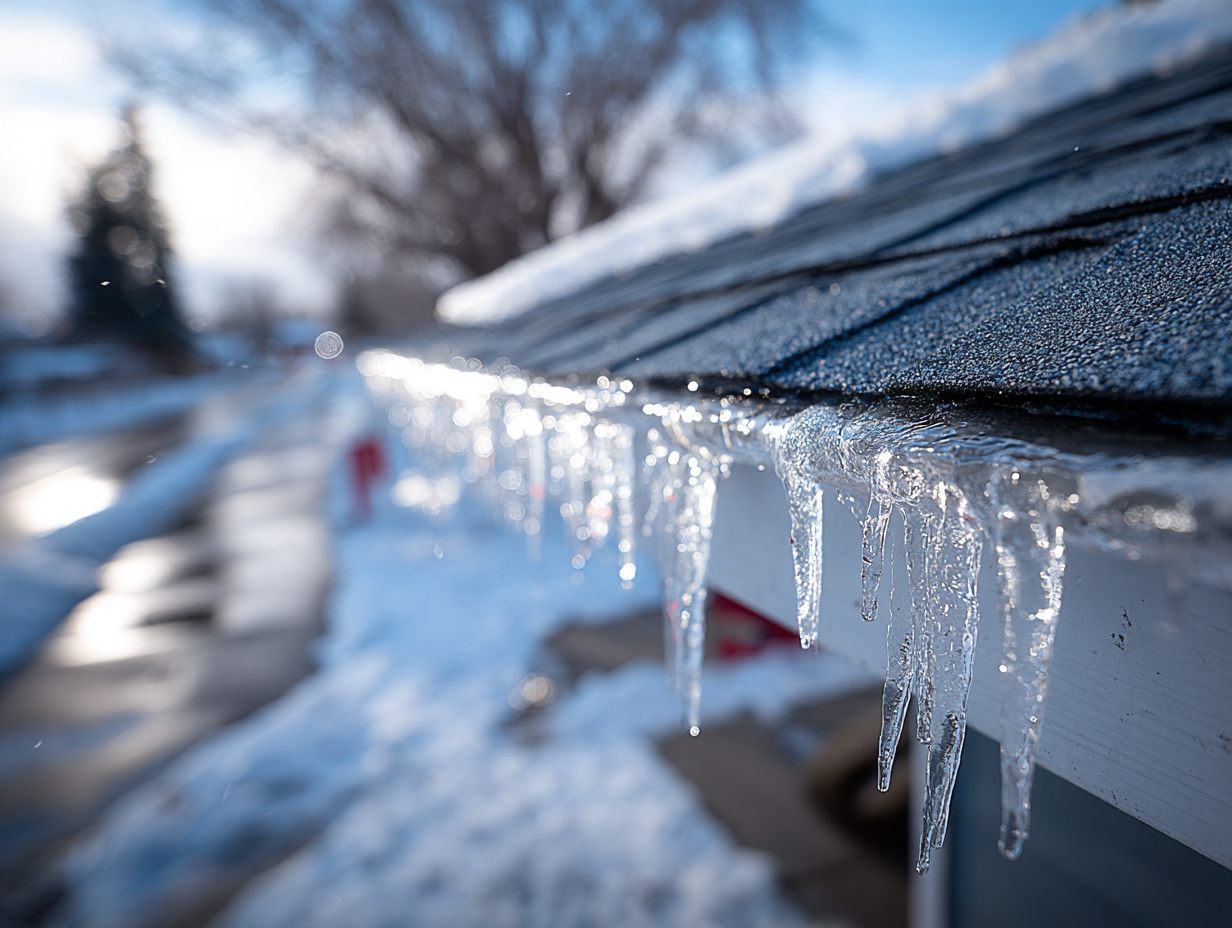
Nor'easters, Ice Dams and Winter Roof Leaks
What winter does to roofs, and why the leak shows up in March.